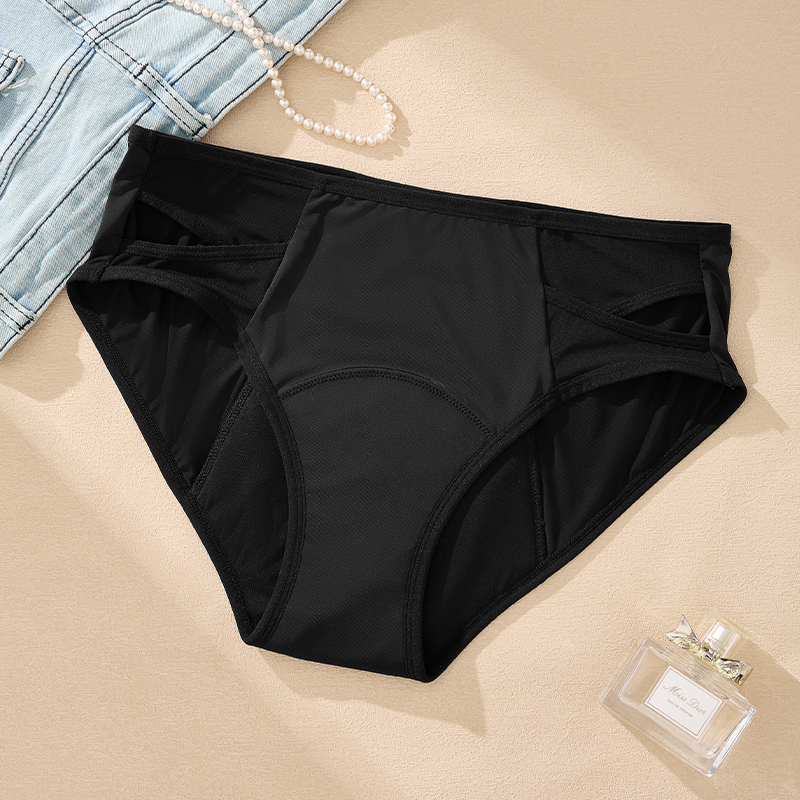
A period underwear manufacturer balances comfort and protection through multi-layer textile engineering, precise garment design, and repeated performance testing. Most products use 3–5 functional layers combining moisture-wicking fabrics, absorbent cores, and leak-resistant membranes. In product testing, manufacturers often evaluate absorbency, rewet rate, drying time, stretch recovery, and washing durability across 30–50 laundering cycles. The challenge is maintaining a thin, breathable garment while achieving protection levels comparable to traditional menstrual products.
Modern period underwear production depends on controlling several material factors at the same time. A manufacturer must select fabrics that can absorb menstrual fluid quickly while keeping the skin surface comfortable during 8–12 hours of wear. Many commercial designs use a gusset structure measuring approximately 3–8 mm in thickness, with each layer assigned a specific function. A thinner structure can improve comfort, but reducing material too much may lower absorption capacity by 20–40% depending on fabric composition.
The design process usually starts with separating moisture movement, absorption, and leakage control into different textile layers. A typical four-layer system may include a skin-contact layer, a liquid-transfer layer, an absorbent layer, and a waterproof barrier. Each material is tested separately before being combined because the final performance can change after lamination, stitching, and stretching.
“A high-performing garment is not created by adding more fabric. It is created by making each layer perform a specific task.”
The first layer touching the body receives significant attention because comfort complaints are often related to wetness rather than total absorbency. Technical polyester blends, nylon fabrics, viscose materials, and cotton-based textiles are commonly selected according to product goals. Some moisture-wicking fabrics can move liquid away from the skin within seconds, reducing surface dampness by more than 50% compared with untreated fabrics in controlled moisture tests.
After moisture leaves the skin surface, the absorbent layer determines how much fluid the underwear can hold. Manufacturers evaluate fiber structure, fabric weight, liquid spreading ability, and retention performance. A common mistake in product development is increasing absorbent thickness without improving fluid distribution. A thicker layer may increase capacity by 15–30%, but poor liquid spreading can still create localized saturation.
Absorbent materials vary significantly depending on the intended use. Microfiber structures provide fast liquid movement, while viscose-based fibers often offer higher fluid retention. Cotton blends are preferred by some consumers because of their familiar softness. In laboratory evaluations, manufacturers compare absorption speed, total capacity, and rewet performance rather than relying on a single measurement.
The waterproof barrier creates another design challenge because it must prevent leakage without making the garment feel stiff. Many manufacturers use thin polyurethane-based membranes because they can provide liquid resistance while maintaining flexibility. Barrier thickness is often controlled within fractions of a millimeter, since increasing thickness may reduce air permeability by 10–30% and affect wearing comfort.
The linked page from a professional supplier explains how a period underwear manufacturer approaches OEM production, including material selection, construction methods, and customized product development.
Breathability testing is usually performed together with leakage testing because the two properties can influence each other. A membrane that blocks liquid effectively may also reduce moisture vapor movement if the structure is not carefully designed. Manufacturers therefore measure moisture vapor transmission, water resistance, and heat management during product evaluation.
“Protection depends on stopping liquid leakage, while comfort depends on managing heat, moisture, and movement.”
Garment pattern design also affects protection performance. The absorbent area must match common body positions during sitting, walking, sleeping, and exercising. Overnight styles often extend the rear protection zone because body position can change fluid movement. Compared with standard daytime designs, some overnight products increase rear coverage by 20–40%.
Elastic performance is another important factor because the underwear must stay close to the body without creating excessive pressure. Fabrics containing elastane are commonly used to improve stretch recovery. Manufacturers typically test waistband and leg openings after repeated stretching and washing because elasticity can decrease after long-term use.
A product that fits incorrectly may leak even if the absorbent materials perform well. During quality testing, manufacturers often measure garment dimensions before and after washing, checking shrinkage, fabric recovery, and seam stability. Many production standards require dimensional changes to remain below 5% after multiple wash cycles.
Seam construction influences both comfort and durability. The absorbent gusset contains multiple layers, which can create thicker edges if the stitching method is not controlled. Flat seams, bonded structures, and optimized stitch density help reduce friction. Sewing tests may examine thousands of repeated movements to ensure seams maintain strength during daily wear.
Manufacturers also evaluate drying performance because reusable menstrual underwear must be washed regularly. A highly absorbent product can retain more water after washing, extending drying time. Some designs reduce drying time by adjusting fabric density, reducing unnecessary layers, or improving moisture release without lowering menstrual fluid capacity.
Product testing normally includes several performance categories:
| Test area | Common evaluation method | Typical measurement |
|---|---|---|
| Absorption | Fluid intake testing | Milliliters absorbed |
| Leakage resistance | Pressure and liquid exposure tests | Leakage occurrence |
| Rewet performance | Surface moisture testing | Remaining moisture level |
| Durability | Repeated washing cycles | 30–50 cycles or more |
| Stretch recovery | Fabric extension testing | Recovery percentage |
Testing conditions are important because real users do not wear garments in laboratory positions. Sitting applies pressure to the gusset, movement creates fabric tension, and body temperature changes moisture behavior. Some manufacturers conduct wear trials with groups of 20–100 participants to collect feedback about comfort, fit, and daily usability.
Wash durability is especially important because period underwear is designed as a reusable product. A garment that performs well after one wash may not maintain the same protection after months of use. Testing programs often compare new samples with samples washed 30, 50, or 100 times to check absorbency retention, membrane condition, and elastic recovery.
Material safety is also considered because the garment remains in close contact with sensitive skin. Manufacturers review textile certifications, dye information, finishing chemicals, and supplier documentation. Depending on the target market, products may need to meet standards related to restricted substances, textile safety, and consumer product regulations.
Production consistency requires detailed manufacturing control. Small changes in fabric weight, adhesive amount, sewing tension, or cutting position can influence final performance. Quality systems usually include incoming material checks, production inspections, and finished garment evaluations to maintain the same specifications between batches.
Different consumers require different protection levels, so manufacturers usually develop multiple product categories. Light absorbency products may focus on daily comfort or backup use, while heavy absorbency designs may increase gusset coverage and absorbent material volume. Adjusting construction according to use case helps avoid unnecessary thickness.
Sustainability considerations have also influenced period underwear development since reusable products are expected to replace disposable options over time. Manufacturers examine fabric lifespan, washing resistance, material sourcing, and packaging choices. A garment designed for 100+ washing cycles can provide a longer usage period compared with a product that loses performance after only a few months.
“Long-term performance depends on how materials behave after repeated use, not only how they perform when new.”
Balancing comfort and protection requires continuous adjustment between textile science and garment engineering. Increasing absorbency, improving softness, reducing thickness, and maintaining breathability all require different approaches. Manufacturers that develop period underwear successfully usually combine material testing, pattern development, user feedback, and production control rather than depending on one material solution.
A well-designed product should feel similar to regular underwear while providing reliable menstrual protection. Achieving this balance requires careful control of fabric layers, liquid management, garment fit, and durability testing throughout the manufacturing process.